


Artificial intelligence is changing the way people work, and freelancing is one of the areas experiencing this transformation. Tasks that once required hours of manual effort can now be completed with the assistance of AI-powered tools. From writing and graphic design to software development, video production, and digital marketing, artificial intelligence is changing how freelance services are created and delivered.
But this transformation is not simply about making work faster. It is changing what clients expect, which skills they value, how freelancers compete for projects, and what businesses are willing to pay for professional services.
For some freelancers, AI has created an opportunity to complete projects more efficiently and offer services that were previously difficult to provide independently. For others, it has introduced new competition, particularly in areas where basic tasks can now be automated or completed with inexpensive AI tools.
The difference between these two experiences often comes down to one important factor: the ability to deliver something valuable that goes beyond what an AI tool can generate automatically.
Businesses do not always need another person who can produce text, images, or basic code. They need professionals who understand their requirements, make good decisions, solve problems, and turn ideas into results.
This is where the future of freelancing becomes interesting.
As artificial intelligence continues to improve, freelancers will have more opportunities to combine their existing professional skills with AI-powered technology. New services will emerge, traditional services will evolve, and clients will increasingly look for people who can manage complete projects rather than perform isolated tasks.
So, is AI making freelancing easier or more difficult? Which freelance jobs are changing the most? What skills should independent professionals learn? And what could the freelancing industry look like as 2027 approaches?
Let’s explore how AI is changing freelancing, what opportunities are emerging, and how professionals can prepare for the next stage of the digital workforce.
1. How AI Is Changing the Freelancing Industry

Artificial intelligence is changing freelancing by transforming how projects are planned, completed, reviewed, and delivered.
Previously, completing a freelance project often required several separate steps. A content writer needed to research information, organize ideas, write a draft, edit the content, and prepare the final document. A graphic designer had to explore concepts, create visual elements, adjust layouts, and prepare files for delivery.
AI tools can now assist with several of these activities. They can organize research, generate initial concepts, suggest improvements, automate repetitive processes, and help professionals complete certain tasks more efficiently.
However, this does not mean every freelance project can be completed automatically.
A client who requests a professional website does not simply need code. They need a website that works correctly, communicates the business message, protects customer information, and provides a good user experience.
Similarly, a company ordering marketing content needs more than automatically generated paragraphs. It needs accurate information, appropriate messaging, brand consistency, and content that connects with its intended audience.
This is why AI is changing the nature of freelance work rather than making professional expertise unnecessary.
AI Is Reducing the Time Needed for Repetitive Tasks
One of the biggest advantages of artificial intelligence is its ability to assist with repetitive work.
Freelancers regularly perform activities such as organizing information, preparing first drafts, checking documents, generating basic ideas, and formatting content. These activities can consume a significant amount of time, especially when several projects are being handled simultaneously.
AI-powered tools can reduce the effort required for some of these tasks.
For example, a virtual assistant can use AI to summarize lengthy documents before preparing a report. A video editor can use automatic transcription to generate subtitles. A developer can use an AI coding assistant to understand unfamiliar code or identify possible errors.
The professional still needs to review the output and make sure it meets the project’s requirements.
The real advantage is that freelancers can spend less time on repetitive preparation and more time on activities that require experience, creativity, and judgment.
AI Is Changing the Way Freelancers Deliver Projects
Another major change is the movement from individual tasks toward complete project solutions.
Consider a business that wants to launch a new product. It may need product descriptions, advertising graphics, promotional videos, social media content, and an email campaign.
Traditionally, these services might be assigned to several different freelancers.
Today, an experienced digital marketing professional can use AI-assisted workflows to coordinate several parts of the project while applying specialized knowledge to each deliverable.
This does not mean one person should attempt to provide every service without the necessary skills. Instead, it means professionals who understand related services can build more complete solutions for clients.
Recent OpenAI and Upwork research found that AI-related freelance projects frequently combine tasks that were less commonly requested together before generative AI became widely available. Certain combinations of tasks were more than three times as common in AI-related projects than in other projects.
This suggests that clients are increasingly combining familiar professional services with AI-related capabilities.
Source: OpenAI and Upwork Research on AI and Freelance Work
Clients Are Looking Beyond Basic Task Completion
When AI can generate a first draft, create a basic image, or suggest a piece of code, simply knowing how to perform that task may no longer be enough to stand out.
Clients want to know whether a freelancer can understand their requirements and deliver a reliable result.
For example, a client hiring a website designer may ask:
- Can you create a professional website that supports my business goals?
- Will the website work properly on mobile devices?
- Can you improve the user experience?
- Can you connect the website with the tools my business already uses?
- Will you provide support if something stops working?
These questions demonstrate why professional knowledge remains important.
AI can help complete parts of the work, but clients still need someone who takes responsibility for the final result.
2. Why Businesses Are Increasingly Interested in AI-Skilled Freelancers

Businesses are interested in AI because it offers new ways to improve productivity, organize operations, and create digital products.
However, having access to AI software does not automatically mean a business knows how to use it effectively.
A company might purchase several AI subscriptions but still struggle to automate customer communication, connect different applications, or produce content that meets its brand requirements.
This creates opportunities for freelancers who can connect AI technology with practical business needs.
Businesses Want More Efficient Workflows
A business may receive hundreds of customer inquiries, manage multiple marketing campaigns, and process large amounts of information every week.
Handling everything manually can become expensive and time-consuming.
AI-assisted workflows can help organize incoming information, prepare responses, summarize customer feedback, and support internal processes.
For example, an online store might want to organize customer inquiries according to their subjects. An AI-assisted system could identify whether a message relates to an order, product question, delivery issue, or return request.
A freelancer with experience in workflow automation can help design and implement this system.
The value does not come from using AI alone. It comes from creating a process that solves a real operational problem.
Small Businesses Need Specialized Technical Support
Not every company has an in-house development team or an AI specialist.
Many businesses need specific solutions rather than a full-time employee.
One business might need an AI chatbot for its website. Another may want to connect an AI service with its customer management software. A third may need an automated reporting system.
Freelancers can provide these services on a project basis.
This creates opportunities for developers, automation specialists, software consultants, and digital professionals who understand how different systems work together.
Businesses Need Human Review and Quality Control
AI-generated results are not automatically accurate.
A chatbot can misunderstand a question. A writing tool can produce an unsupported claim. An image generator can create incorrect product details. A coding assistant can suggest an implementation that introduces security or performance problems.
Businesses need professionals who can identify these issues before the work reaches customers.
Human review is particularly important when content involves technical specifications, financial information, legal requirements, customer data, or important business decisions.
Freelancers who offer verification, editing, testing, and quality assurance can provide an important service in AI-assisted production.
3. AI Freelance Jobs and New Opportunities

Artificial intelligence is creating new types of freelance work while expanding the services professionals can offer.
Some opportunities involve developing AI-powered systems. Others involve using AI to improve existing creative, technical, and administrative services.
The following areas are worth understanding because they connect AI capabilities with real business requirements.
AI Automation Specialist
AI automation is one of the most practical opportunities for freelancers who enjoy solving business problems.
An AI automation specialist helps businesses reduce repetitive work by connecting different applications and creating automated workflows.
For example, when a customer submits a website form, an automation system could collect the information, organize the details, add the lead to a CRM, and notify the appropriate team member.
A more advanced workflow could use AI to summarize the inquiry and prepare a suggested response for human approval.
Freelancers in this field may work with:
- Zapier
- Make
- n8n
- AI APIs
- Google Sheets
- CRM platforms
- Webhooks and automation systems
However, building a reliable automation system requires more than connecting two applications.
The freelancer must understand how information moves through the workflow, what happens when an application fails, and how unusual situations should be handled.
Professionals who can design, test, and maintain complete automation systems have an opportunity to provide valuable services to businesses.
AI Chatbot Developer
Customer support is another area where artificial intelligence is changing business operations.
Many companies receive similar questions repeatedly. Customers may ask about pricing, product availability, shipping, opening hours, or account information.
An AI chatbot can help answer common questions and guide visitors toward relevant information.
A chatbot developer may be responsible for designing the conversation flow, connecting the system to approved business information, integrating it into a website, and testing its responses.
More advanced solutions may connect chatbots with databases, CRM systems, booking platforms, and internal business applications.
A successful chatbot must also recognize its limitations.
If a customer asks a complicated question or needs assistance with a sensitive issue, the system should be able to direct that person to a human representative.
This makes chatbot development a combination of technical implementation, communication design, and business understanding.
AI Video Creator and Editor
Video production has become an important part of online marketing, product promotion, education, and digital communication.
AI tools can assist creators with generating visual scenes, preparing voiceovers, creating subtitles, removing unwanted background noise, and developing initial video concepts.
Businesses can use these capabilities to explore advertising ideas, prepare promotional videos, and produce content for different platforms.
However, automatically generated video is not always suitable for professional use.
A promotional video still needs a clear message, suitable pacing, consistent visuals, accurate product representation, and appropriate sound design.
Freelancers can combine AI-generated material with traditional video editing, animation, motion graphics, and storytelling.
This creates opportunities for professionals who understand both creative production and AI-assisted workflows.
AI Integration Specialist
AI integration involves connecting artificial intelligence features with existing websites, software platforms, mobile applications, and business systems.
For example, a company might want to add an AI-powered assistant to its website or allow employees to search internal documents through natural-language questions.
A freelancer working on such projects may need experience with:
- API integration
- Backend development
- Database management
- Authentication systems
- AI model connections
- Software testing
- Data security
This is a particularly interesting opportunity for developers who already understand web or mobile application development.
Instead of replacing their existing technical knowledge, they can expand it by learning how to add useful AI capabilities to products.
AI Data Annotation and Labeling
AI systems depend on data, and that data often needs to be organized, reviewed, or labeled.
Data annotation involves identifying and categorizing information so that machine-learning systems can process it.
Examples include identifying objects in images, labeling audio recordings, categorizing text, and reviewing information in documents.
Some projects require specialized subject knowledge, while others involve structured tasks that can be completed with proper instructions.
Accuracy is essential because incorrect labels can affect the quality of the resulting dataset.
Freelancers who understand data quality, labeling guidelines, and careful information review can explore opportunities in this area.
AI-Powered Graphic Designer
AI image-generation tools have changed how designers develop visual concepts and explore creative ideas.
A graphic designer can use AI to create initial visual directions, generate background elements, explore compositions, and experiment with different styles.
However, professional graphic design involves much more than generating an attractive image.
Clients may need:
- Consistent brand identity
- Professional typography
- Correct image dimensions
- Readable advertising layouts
- Editable source files
- Social media design systems
- Product presentation graphics
A business may also require multiple designs that follow the same visual identity.
Designers who understand branding, composition, marketing, and visual communication can use AI as an additional production tool while maintaining creative control.
Generative Engine Optimization Specialist
Search behavior is changing as AI-powered platforms provide direct answers, summaries, and recommendations.
Businesses are therefore exploring ways to make their websites and content easier for modern search and discovery systems to understand.
Generative Engine Optimization, commonly called GEO, focuses on improving content clarity, information structure, entity understanding, and the overall usefulness of published material.
Freelancers working in this area may help businesses improve:
- Website content organization
- Clear question-and-answer sections
- Source quality and factual accuracy
- Structured information
- Brand and product descriptions
- Content relevance and consistency
GEO is still developing, and no professional can guarantee that a website will always appear in AI-generated answers.
However, specialists who understand SEO, content strategy, and information architecture can explore this emerging service.
4. Traditional Freelance Jobs That AI Is Transforming

AI is changing traditional freelance services, but that does not mean every established profession is becoming unnecessary.
The biggest changes are often happening in basic, repetitive, and easily standardized tasks.
When clients can use AI to complete simple work themselves, freelancers need to offer something more valuable than basic task execution.
Content Writing and Copywriting
AI writing tools can produce article drafts, product descriptions, email messages, social media captions, and marketing ideas.
This has increased competition for basic writing assignments.
Businesses can now generate simple content internally, reducing the need to outsource every small writing task.
However, producing useful professional content requires more than generating paragraphs.
A business website may need detailed industry explanations, accurate product comparisons, original research, customer-focused guides, and content that reflects its expertise.
A professional writer can use AI to organize research and explore ideas while concentrating on fact-checking, editorial quality, subject knowledge, and reader experience.
Specialized content services may include technical writing, product documentation, industry research, case studies, and detailed educational articles.
The opportunity is shifting from simply producing more words to delivering more valuable information.
Graphic Design
Basic social media graphics and simple promotional designs can now be created with templates and AI-assisted tools.
This makes entry-level design tasks more competitive.
However, businesses still need professional visual communication.
A complete branding project may involve logo design, typography, color systems, packaging, advertising materials, and consistent visual guidelines.
These decisions require an understanding of the business, its audience, and the message it wants to communicate.
Professional designers can strengthen their services through brand strategy, creative direction, layout design, and visual consistency.
AI can accelerate parts of the process, but the designer must still decide what works for the client’s objectives.
Data Entry and Virtual Assistance
AI-powered systems can extract information from documents, organize records, summarize reports, and support repetitive administrative tasks.
As a result, freelancers who offer only basic manual data entry may face increasing competition.
However, virtual assistance includes many responsibilities that cannot be reduced to copying information.
Businesses still need professionals to manage schedules, coordinate projects, communicate with customers, organize documents, monitor orders, and resolve unexpected issues.
Virtual assistants who understand AI tools, spreadsheets, CRM platforms, and business automation can offer a more complete service.
Translation and Localization
AI translation systems can convert text between languages quickly.
This makes basic translation more accessible, but professional localization requires more than replacing words.
A business may need its message adapted to different cultural expectations, industry terminology, communication styles, and local expressions.
Technical documents, marketing campaigns, and important business communications also require careful review.
Freelancers who specialize in localization, language editing, and industry-specific translation can provide value beyond automated translation.
Website Development
AI coding assistants can generate code, explain programming concepts, suggest improvements, and help developers create prototypes.
This can make basic website development faster and more accessible.
However, a professional website must do more than display information.
It needs reliable functionality, security, performance, mobile responsiveness, accessibility, and proper integration with business systems.
Developers must also test their work, identify technical problems, and maintain websites after launch.
Businesses need professionals who can take responsibility for the complete development process.
Developers who combine traditional programming knowledge with AI-assisted coding can improve their productivity without sacrificing technical quality.
5. How AI Is Changing Freelancers’ Income and Pricing

One of the most important questions for independent professionals is whether AI will increase or decrease freelance income.
There is no single answer because the impact depends on the type of service, the level of expertise, the complexity of the project, and the value delivered to the client.
Some simple tasks are becoming less expensive because AI makes them easier to produce. At the same time, specialized professionals who can use AI to solve complex problems may find new opportunities.
Basic AI Work Can Become More Competitive
When a task can be completed quickly with widely available tools, more people can offer that service.
For example, basic AI-generated captions, simple images, and generic product descriptions are relatively easy to produce.
As more freelancers enter these areas, clients may have less reason to pay premium prices for work that looks similar across multiple providers.
This creates pressure on professionals who compete only through speed or low prices.
A freelancer must therefore think about what makes the service different.
Can the content be more accurate? Can the design match a specific brand? Can the project include strategy, editing, and final delivery? Can the freelancer solve a larger business problem?
These factors can make a service more valuable.
Specialized AI Skills Can Support Higher-Value Projects
AI is also creating demand for work that requires technical knowledge and professional judgment.
According to Upwork’s Future Workforce research, freelancers performing AI-related work on its marketplace earned 34% more per hour than freelancers who did not incorporate AI.
The same research found that more complex AI-augmented work was associated with a 45% increase in freelancer earnings.
These figures describe marketplace findings, not a guaranteed income increase for every freelancer.
The important lesson is that using AI alone does not automatically create higher earnings. The value often comes from combining AI capabilities with specialized knowledge and the ability to deliver a complete solution.
Source: Upwork Future Workforce Index
Clients May Pay for Results Instead of Time
AI can reduce the time needed to complete certain tasks.
This creates an important question for freelancers who charge hourly rates: if a project that previously required five hours can now be completed in two hours, should the freelancer automatically reduce the price?
Not necessarily.
Clients are paying for a useful outcome, not simply the number of minutes spent using a computer.
For example, a business hiring a developer to build an automated reporting system is paying for a working solution that saves time and improves operations.
If the developer uses AI to complete the project more efficiently, the client still receives the agreed result.
This is one reason why value-based pricing and project-based pricing can become more relevant for specialized freelance services.
However, pricing must remain fair and reflect the project’s complexity, responsibilities, and agreed deliverables.
Freelancers Need to Explain Their Value Clearly
A client may not understand why one freelancer charges more than another.
Simply saying that a project uses advanced AI tools is not enough to justify a higher price.
Professionals should explain what the client will receive, which problems the service solves, and how the final result will be evaluated.
For example, instead of advertising a service as simply “AI Automation,” a freelancer could explain that the service connects customer inquiries with a CRM, organizes leads, and reduces repetitive administrative work.
A clear service description helps clients understand the actual business benefit.
6. Best AI Tools Freelancers Can Explore
AI tools can support many different freelance activities. However, choosing tools should depend on the service being offered rather than following every new product release.
A professional does not need dozens of subscriptions to become more productive.
It is often better to learn a small number of relevant tools and understand how to use them effectively.
ChatGPT for Research, Writing, and Problem-Solving
ChatGPT can assist with research organization, brainstorming, document summaries, writing support, and technical explanations.
Freelancers can use it to explore project ideas, prepare content structures, understand unfamiliar topics, and review possible solutions.
However, AI-generated information should be checked before it is used in client work.
Claude for Writing and Document Analysis
Claude can assist with long-form writing, document analysis, content organization, and reviewing complex information.
Writers, researchers, and professionals working with lengthy documents may find it useful for organizing material and exploring ideas.
The final output should still be reviewed for accuracy, originality, and suitability.
Google Gemini for Research and Productivity
Gemini offers AI-assisted capabilities that can support research, brainstorming, and productivity workflows.
Its usefulness may depend on the specific tools and integrations available to the user.
Freelancers should explore the features that fit their daily workflow rather than assuming every AI platform offers identical capabilities.
Canva for AI-Assisted Graphic Design
Canva provides design tools that help freelancers create social media graphics, presentations, promotional materials, and other visual content.
Its AI-assisted features can support idea generation and design production.
However, professional designers still need to manage typography, layout, brand consistency, and visual quality.
Adobe Firefly for Creative Work
Adobe Firefly provides generative AI capabilities for creative workflows.
Designers can explore AI-assisted image creation and editing while working with established creative applications.
Professionals should always review output quality, licensing conditions, and the requirements of the client’s project before delivering generated assets.
Runway for AI Video Production
Runway offers AI-powered tools for video generation and creative production.
Video creators can explore these capabilities for visual concepts, editing workflows, and experimental video projects.
Professional delivery still requires creative direction, editing decisions, and careful quality control.
Zapier, Make, and n8n for Automation
These platforms help users connect applications and build automated workflows.
Freelancers can use them to create business processes involving forms, spreadsheets, notifications, CRM systems, and AI services.
Learning how to design reliable workflows can be more valuable than simply knowing how to operate a particular platform.
Important: AI tools change frequently. Before choosing a paid subscription, freelancers should compare pricing, usage limits, commercial terms, privacy policies, and available features.
7. How Beginners Can Start Freelancing With AI
Starting a freelance career can feel difficult because beginners often face competition from experienced professionals.
AI can make the learning and production process more accessible, but it does not remove the need for practical skills.
A beginner who wants to build a sustainable freelance career should focus on learning a useful service rather than collecting AI tools without a clear purpose.
Choose One Freelance Skill First
The first step is to identify a service that matches your interests and abilities.
Some possible starting areas include:
- AI-assisted graphic design
- Video editing
- Content editing
- Virtual assistance
- Website development
- Social media content production
- Basic workflow automation
- Data organization and analysis
Choosing one main service makes it easier to develop expertise and create a focused portfolio.
A beginner who tries to learn every AI tool and offer every possible service may struggle to demonstrate professional competence.
Learn the Fundamentals Before Depending on AI
AI should support professional knowledge, not replace it.
Someone interested in graphic design should learn typography, composition, spacing, and visual hierarchy.
A person interested in content writing should understand research, grammar, structure, and audience intent.
A beginner interested in automation should learn how applications communicate, how data moves between systems, and how workflows are tested.
These fundamentals help freelancers identify mistakes and improve AI-generated results.
Create Portfolio Projects
Clients want evidence that a freelancer can complete the work they are advertising.
A portfolio provides that evidence.
Beginners can create sample projects based on realistic business requirements.
For example, a graphic designer might prepare a complete promotional campaign for an imaginary online store. A website developer could build a responsive business website. An automation specialist might demonstrate how a contact form connects with a spreadsheet and notification system.
Each project should explain the problem, the process, and the final result.
A portfolio containing a few well-developed examples is generally more useful than a large collection of unrelated AI-generated images or documents.
Learn How to Write Professional Proposals
Finding freelance clients requires communication as well as technical skills.
A proposal should demonstrate that the freelancer understands the client’s requirements.
Instead of sending a generic message describing every service available, beginners should explain how they would approach the specific project.
A useful proposal can include:
1. A brief understanding of the client’s problem.
2. The proposed solution.
3. Relevant skills or portfolio examples.
4. Expected deliverables.
5. A realistic timeline.
6. Any important questions about the project.
AI can help improve the clarity of a proposal, but the freelancer should personalize it and make sure every statement is accurate.
Start With Small, Clearly Defined Projects
Beginners do not need to start by offering complex services.
A small project can help them understand client communication, deadlines, revisions, and delivery requirements.
For example, someone learning social media design could begin with a clearly defined set of promotional graphics.
A new virtual assistant could offer document organization or spreadsheet management.
An automation beginner could create a simple workflow that connects two commonly used applications.
The goal is to build experience and gradually move toward more specialized services.
Build a Professional Freelance Profile
A freelance profile should communicate a clear professional identity.
It should explain what service is offered, what type of problem the freelancer solves, and why a client should consider hiring them.
A profile that simply lists several AI tools does not demonstrate strong professional value.
Instead, focus on the service and its outcome.
For example, a freelancer might position themselves as an AI automation specialist who helps small businesses organize repetitive workflows.
This is more informative than describing themselves only as someone who knows several AI platforms.
8. How Experienced Freelancers Can Stay Competitive

AI is not only changing opportunities for beginners. Experienced freelancers also need to reconsider how they present their services and manage client projects.
Years of experience can provide an advantage, but only when that experience continues to produce relevant results.
Combine Existing Expertise With AI
Experienced freelancers should not assume they need to abandon their current profession.
A content writer can learn AI-assisted research and editorial workflows. A designer can explore generative image tools and creative automation. A developer can learn AI integration and intelligent application features.
The strongest approach is often to improve an established service rather than start an entirely unrelated career.
Professional experience helps freelancers understand which AI outputs are useful and which ones need correction.
Move From Individual Tasks to Complete Solutions
A freelancer who offers only one small production task may face more competition than someone who can manage a complete workflow.
For example, a video editor could expand into short-form video production, including editing, subtitles, motion graphics, and platform-ready exports.
A web developer could offer website development with AI chatbot integration and automated customer inquiry handling.
A digital marketer could combine content planning, campaign design, analytics, and AI-assisted reporting.
The goal is not to offer unlimited services. It is to build a connected set of capabilities that solves a larger client problem.
Improve Client Communication
Technology cannot compensate for poor communication.
Clients want professionals who ask relevant questions, explain technical decisions, provide progress updates, and respond appropriately when problems occur.
Experienced freelancers can strengthen client relationships by understanding business goals before beginning production.
They should also set clear expectations about revisions, deadlines, deliverables, and the use of AI tools.
Good communication reduces misunderstandings and makes long-term working relationships easier to maintain.
Focus on Long-Term Client Relationships
Finding new clients repeatedly can consume a significant amount of time.
Freelancers who consistently deliver reliable work have an opportunity to develop ongoing relationships.
For example, a website developer may provide maintenance after completing a website. A designer may create monthly promotional materials. An automation specialist may monitor and improve business workflows.
These recurring services can provide more predictable work than relying entirely on individual one-time projects.
AI can make delivery more efficient, while professional reliability helps maintain the relationship.
9. Human Skills That AI Cannot Easily Replace

Technical knowledge is important, but it is not the only factor that determines success in freelancing.
Human skills become particularly valuable when projects involve uncertainty, communication, complex decisions, and individual business requirements.
Critical Thinking
AI can provide suggestions, but those suggestions are not always correct or appropriate.
A freelancer must evaluate information, identify missing details, compare alternatives, and make decisions based on the project’s objectives.
Critical thinking is especially important when dealing with research, business analysis, software development, and professional content.
Creativity and Original Ideas
AI can generate many visual and written concepts, but producing a useful creative solution requires understanding the context.
A business may want a campaign that communicates a particular feeling, differentiates its products, and attracts a specific audience.
A professional must decide which ideas support those objectives.
Creativity involves more than generating options. It involves selecting, improving, and connecting ideas in meaningful ways.
Communication and Client Management
Freelancers regularly communicate with clients who may not understand technical details.
A professional must be able to explain recommendations in clear language, understand feedback, and manage expectations.
They may also need to negotiate project scope, discuss revisions, and resolve disagreements.
These responsibilities depend heavily on communication and professional judgment.
Accountability and Reliability
Clients need someone who takes responsibility for the agreed work.
If a generated image contains an error or an automated workflow stops functioning, someone must investigate and resolve the issue.
Freelancers who check their work, meet deadlines, communicate honestly, and correct mistakes build trust.
Reliability is particularly important because clients are not simply purchasing access to an AI tool. They are hiring a professional to deliver a result.
Industry Knowledge
A freelancer who understands a particular industry can identify problems that a general-purpose AI tool may overlook.
For example, creating content for an online store requires knowledge of product information, customer questions, buying decisions, and brand communication.
Developing software for a business requires an understanding of its operations and technical requirements.
Industry knowledge allows professionals to use AI more effectively because they understand what a successful result should look like.
10. Mistakes Freelancers Should Avoid When Using AI

AI can improve productivity, but using it incorrectly can damage professional quality and client relationships.
Freelancers should understand the common mistakes before making AI a regular part of their workflow.
Depending Entirely on AI-Generated Content
One of the biggest mistakes is delivering AI-generated content without proper review.
An article may contain incorrect statistics. A product description may include specifications that do not exist. A design may contain distorted text or incorrect brand elements.
Freelancers should review every important deliverable before sending it to a client.
The final work should meet the client’s requirements, not simply look acceptable at first glance.
Learning Tools Without Developing a Professional Skill
Knowing how to operate an AI tool does not automatically make someone a professional.
A person can generate an image without understanding graphic design. They can generate code without understanding software development.
However, clients need people who can identify problems and deliver reliable results.
Freelancers should develop professional fundamentals alongside their knowledge of AI platforms.
Offering Too Many Unrelated Services
Some beginners advertise themselves as content writers, designers, developers, video editors, SEO specialists, and automation experts at the same time.
This can make their professional identity unclear.
Clients may struggle to understand what the freelancer does particularly well.
It is usually more effective to start with one main service and expand into related services as experience grows.
Ignoring Data Privacy
Freelancers sometimes upload client documents, business records, customer information, or private project details into AI platforms without considering privacy risks.
This can create serious problems.
Before using an AI service, professionals should review its privacy policies, data handling practices, and account settings.
They should follow client instructions and avoid sharing confidential information unless the use of that tool has been properly authorized.
Competing Only Through Low Prices
When freelancers compete entirely through lower prices, it becomes difficult to maintain sustainable earnings.
AI may make basic production cheaper, but a professional service should offer more than low-cost output.
Freelancers should communicate the value of their expertise, reliability, problem-solving, and final deliverables.
A clear service with defined benefits is easier for clients to evaluate than a vague offer based only on cheap pricing.
Making Unrealistic Promises
AI is powerful, but it cannot guarantee every result.
Freelancers should avoid promising guaranteed search rankings, automatic sales growth, perfect chatbot accuracy, or error-free software without a realistic basis.
Professional honesty is essential for long-term business relationships.
It is better to explain what a service can achieve, what limitations exist, and how success will be evaluated.
11. What Will Happen to Freelancing in 2027?

As artificial intelligence becomes more capable, freelancing is likely to continue changing. However, the direction of this change will not be identical across every industry or service.
Some tasks may become increasingly automated, while new opportunities may emerge around implementation, integration, creative production, and professional oversight.
The following developments are reasonable possibilities to watch as 2027 approaches. They are forecasts, not guaranteed outcomes.
AI-Assisted Freelance Work May Become More Common
AI is likely to become a normal part of everyday freelance workflows.
Instead of treating AI as a separate service, more professionals may use it within writing, design, software development, marketing, and administrative projects.
Clients may also become more interested in freelancers who can explain how AI improves the process without reducing quality.
This could make AI literacy a basic professional expectation in several digital industries.
Demand May Shift Toward Specialized AI Services
As more businesses experiment with AI, they may discover that their main challenge is not accessing AI tools but implementing them correctly.
This could increase opportunities for specialists in automation, AI integration, chatbot development, data management, and intelligent software systems.
Professionals who understand both the technology and the business problem may be better positioned to compete for complex projects.
Basic Digital Services May Face More Price Pressure
When basic tasks become easier to automate, clients may have more options for completing them.
This could increase competition in areas such as generic content generation, simple image production, and repetitive administrative work.
Freelancers working in these areas may need to improve quality, specialize, or combine their services with additional expertise.
However, this does not mean all traditional services will disappear. Demand will depend on client needs, project complexity, and the quality of available solutions.
Freelancers May Work With AI Agents
AI agents are designed to perform multi-step tasks with varying levels of independence.
As these systems improve, freelancers may use them to organize research, prepare reports, manage routine workflows, and support project operations.
However, AI agents will still need appropriate instructions, permissions, testing, and oversight.
A freelancer who can manage these systems responsibly may be able to handle more complex projects without increasing manual effort at the same rate.
Human Judgment May Become More Valuable
As AI-generated content and digital products become more common, clients may pay closer attention to accuracy, originality, trust, and accountability.
A freelancer who can verify information, make thoughtful decisions, and take responsibility for the final work may stand out.
The competitive advantage may increasingly come from knowing when to use AI, when to reject its suggestions, and when human expertise is necessary.
Freelance Portfolios May Become More Outcome-Focused
A portfolio filled with attractive images or generic project examples may not be enough to demonstrate professional value.
Clients may increasingly want to understand what problem a freelancer solved and what the completed project achieved.
For example, an automation specialist could demonstrate how a workflow organizes customer inquiries. A designer could explain how a visual system supports consistent branding. A developer could show how an AI feature improves an existing application.
Portfolios that demonstrate practical results can help clients make better hiring decisions.
12. How to Prepare for the Future of Freelancing

Preparing for the future does not require learning every new AI platform.
A more effective approach is to identify the skills that support your chosen profession and develop them through practical projects.
Follow Changes in Your Industry
Freelancers should regularly review what clients are requesting and how services are evolving.
Job descriptions, project requirements, industry reports, and client feedback can reveal changes in demand.
For example, if clients increasingly request AI integration alongside website development, a web developer can investigate the technical skills required to provide that service.
Market research should guide learning decisions rather than social media trends alone.
Build a Skill Combination
A strong freelance career may depend on combining several related capabilities.
Examples include:
- Graphic design + AI image editing + branding.
- Video editing + AI video production + storytelling.
- Web development + API integration + AI automation.
- Content writing + SEO + editorial research.
- Virtual assistance + CRM management + workflow automation.
- Data analytics + visualization + AI-assisted reporting.
These combinations make it easier to provide complete services instead of competing only on individual tasks.
Create Real Projects Instead of Only Watching Tutorials
Watching tutorials can introduce new concepts, but practical work develops professional ability.
Freelancers should create projects that demonstrate how a skill works in real situations.
An automation learner can build a sample lead-management workflow. A designer can prepare a complete brand presentation. A developer can create a small application with an AI-powered feature.
Practical projects also help identify gaps in knowledge that tutorials may not reveal.
Develop a Clear Service Offer
A professional service should explain what the freelancer does and what the client receives.
Instead of advertising a broad statement such as “I provide AI services,” a freelancer could offer a specific solution.
For example:
“I build AI-powered customer support workflows that help businesses organize inquiries and reduce repetitive manual responses.”
A clear offer helps clients understand the service and decide whether it matches their needs.
Keep Learning Without Chasing Every Trend
New AI platforms appear frequently, and not every tool becomes useful in professional workflows.
Freelancers should evaluate tools based on reliability, cost, output quality, integration options, and long-term usefulness.
Learning a few relevant tools deeply is often more valuable than trying dozens of platforms without developing a practical skill.
13. Is AI Making Freelancing Easier or More Difficult?

The answer depends on how a freelancer approaches the changing market.
AI can make certain tasks easier by reducing repetitive work, improving research processes, and supporting creative production.
At the same time, it can make the market more competitive because more people can produce basic digital outputs with fewer resources.
This creates two different experiences.
A freelancer who offers only basic production may face more price competition. A freelancer who combines professional knowledge with AI-assisted workflows may be able to provide more complete services.
For example, generating a simple social media graphic is easier than designing a consistent advertising campaign for a business.
Writing a short product description is easier than developing a complete content strategy based on customer needs, product research, and search intent.
Generating a small piece of code is easier than building, testing, securing, and maintaining a complete software application.
The difference is the level of responsibility and problem-solving involved.
AI is therefore not automatically making freelancing easier or more difficult for everyone. It is changing which capabilities are valuable and how professionals demonstrate their expertise.
14. Can Freelancers Build a Successful Career Without Using AI?
It may still be possible to build a freelance career without using AI in every task.
Many professional services depend on creativity, communication, technical expertise, personal judgment, and industry knowledge.
However, completely ignoring AI could make it harder to remain competitive in areas where clients expect efficient workflows and modern production methods.
A designer does not need to generate every image with AI. A writer does not need to use AI for every paragraph. A developer does not need to accept every AI-generated code suggestion.
The important point is understanding where these tools are useful.
A freelancer who chooses not to use AI for a particular task should still understand how the technology is changing the industry.
In some projects, traditional methods may produce better results. In others, AI-assisted workflows may improve speed or reduce repetitive effort.
Professional judgment means choosing the right approach rather than following technology blindly.
15. The Future Belongs to Freelancers Who Can Combine AI With Expertise
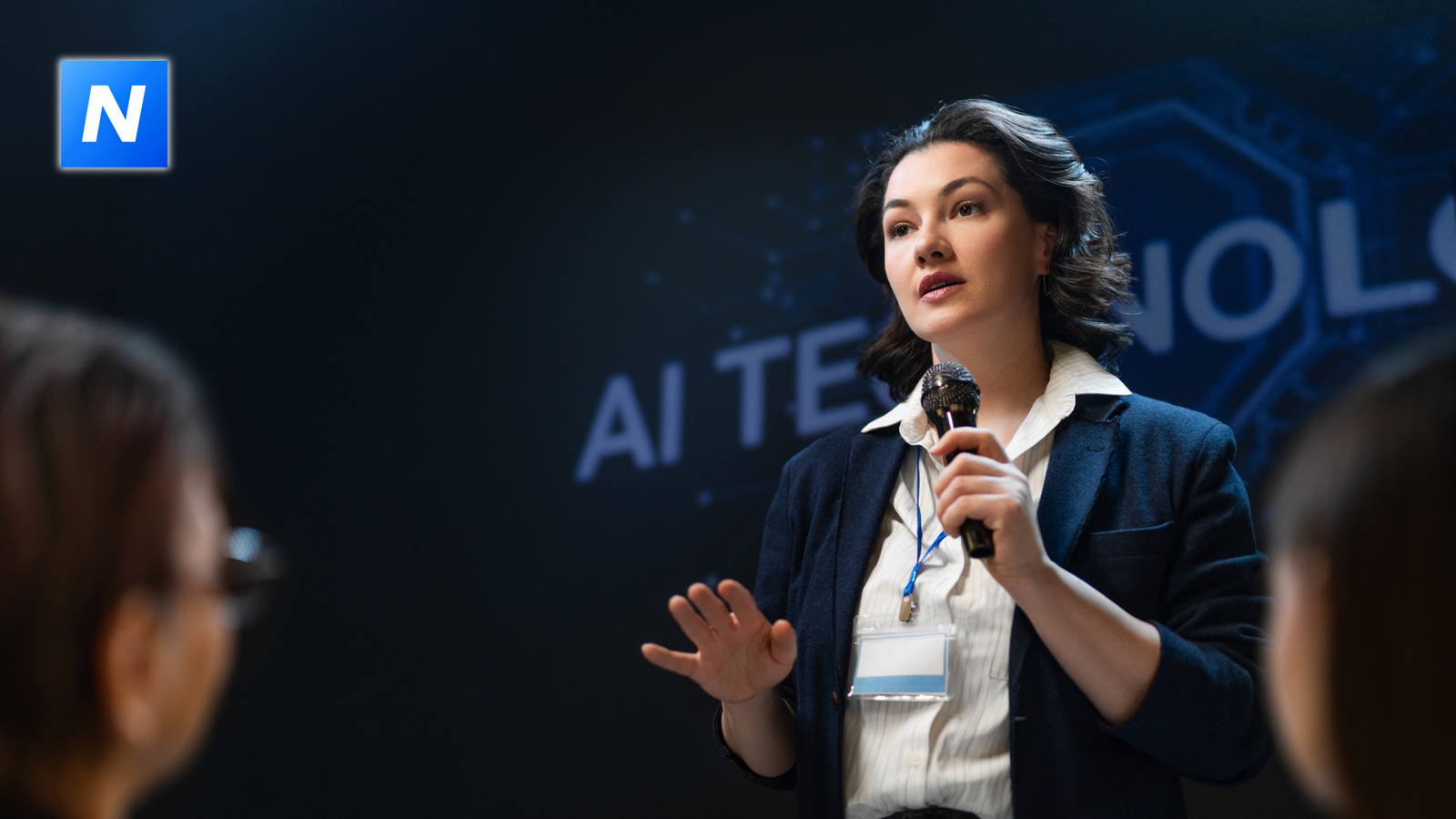
The future of freelancing will not be determined only by how advanced AI becomes.
It will also depend on how people use these systems to solve problems, create useful products, and support business operations.
A professional who understands a client’s needs can use AI to explore possible solutions, improve production efficiency, and deliver better-organized work.
But the same tools can produce disappointing results when used without experience, proper instructions, or quality control.
This is why learning AI should not be treated as a replacement for professional development.
A graphic designer should continue improving design skills. A developer should understand programming fundamentals. A writer should develop research and editorial abilities. An automation specialist should understand systems, data, and workflow reliability.
AI can strengthen these capabilities, but it cannot automatically provide the experience needed to apply them correctly.
As 2027 approaches, freelancers who combine specialized knowledge, practical AI skills, communication, and accountability may have more ways to compete in the changing digital marketplace.
The opportunity is not simply to work faster.
It is to become more useful to the people and businesses that need professional services.
Conclusion: AI Is Changing Freelancing, but Human Expertise Still Matters
Artificial intelligence is transforming freelancing by changing how projects are completed, how clients evaluate professionals, and which services businesses need.
Some repetitive tasks are becoming easier to automate, while opportunities are emerging in AI automation, chatbot development, AI integration, video production, data services, and AI-assisted creative work.
Traditional freelance professions are also evolving. Writers, designers, developers, marketers, and virtual assistants can strengthen their services by learning how to use AI effectively.
However, using AI does not automatically make someone a skilled freelancer.
Professional knowledge, critical thinking, communication, creativity, accuracy, and accountability remain important because clients need reliable results rather than technology for its own sake.
The biggest opportunity is to combine what humans do well with what AI can do efficiently.
Freelancers who understand this difference can adapt their services, build stronger portfolios, and prepare for new opportunities as the industry continues to evolve.
AI is changing the way freelancing works. The professionals who learn to work alongside it, rather than depend on it blindly, will be better prepared for what comes next.
Frequently Asked Questions (FAQs)
1. How is AI changing freelancing?
AI is changing freelancing by automating repetitive tasks, improving production workflows, and creating demand for new services such as AI automation, chatbot development, AI integration, and AI-assisted creative production. It is also changing what clients expect from freelancers, with greater attention to specialized skills and complete project solutions.
2. Will AI replace freelancers?
AI may automate certain freelance tasks, especially those that are repetitive and easy to standardize. However, many projects still require human judgment, creativity, communication, technical expertise, and accountability. Freelancers who develop specialized skills and learn to use AI effectively can adapt to changing client requirements.
3. Which freelance skills are in demand because of AI?
Some emerging AI-related freelance skills include AI automation, AI integration, chatbot development, AI video generation and editing, data annotation, AI-assisted image editing, and generative AI development. Established skills such as web development, graphic design, digital marketing, and data analytics also remain relevant.
4. Can beginners start freelancing with AI?
Yes. Beginners can use AI tools to support learning, research, content preparation, design exploration, and workflow development. However, they should first learn the fundamentals of a professional service, create practical portfolio projects, and understand how to review AI-generated results before offering services to clients.
5. Which AI tools are useful for freelancers?
Useful tools depend on the type of work. ChatGPT, Claude, and Gemini can support research and productivity. Canva and Adobe Firefly can assist with creative work. Runway can support video production, while Zapier, Make, and n8n can help build automated workflows.
6. Is AI-assisted content writing still a good freelance service?
AI-assisted content writing can remain valuable when it involves original research, accurate information, subject expertise, editorial judgment, and audience-focused writing. Basic generic content may face stronger competition, so writers should focus on producing useful and well-researched material.
7. How can freelancers earn more with AI?
Freelancers can explore higher-value services by combining AI with professional expertise. Examples include building automation systems, integrating AI into business applications, creating complete marketing campaigns, and developing AI-powered customer support solutions. Higher earnings are not guaranteed, but solving more complex business problems can improve the value of a service.
8. What freelance jobs are most affected by AI?
Tasks involving basic content generation, repetitive data entry, simple translation, routine administrative work, and basic image production may experience significant changes. However, the impact varies by project complexity, client requirements, and the level of human judgment involved.
9. What AI skills should freelancers learn before 2027?
Freelancers can focus on AI tool proficiency, prompt design, workflow automation, API integration, data analysis, AI content verification, and data privacy. The most useful skills will depend on their existing profession and the types of services they want to provide.
10. Will AI create new freelance opportunities?
AI is already creating opportunities in areas such as automation, AI integration, chatbot development, AI video production, and data-related services. As businesses adopt more AI-powered systems, additional opportunities may emerge in implementation, customization, testing, maintenance, and professional oversight.
11. Should freelancers learn AI or focus on traditional skills?
Both are important. Traditional professional skills provide the knowledge needed to deliver quality work, while AI can improve productivity and expand available services. Combining both can help freelancers remain adaptable as client expectations change.
12. What is the future of freelancing in 2027?
Freelancing may become more closely connected with AI-assisted workflows, specialized technical services, and complete business solutions. Basic tasks could face greater automation and price competition, while professionals who combine AI knowledge with human expertise may find new opportunities. The exact changes will depend on technology development and business adoption.